
We're hosting a math festival at San Francisco State on Saturday, May 11!
For more info and to register, click the button below:
Registration is available for our Summer 2024 Math Camp!
For more info and to register, click the button below:
Interested in being an SF Math Circle facilitator?
Click the button below to find out more info and to apply:
About us
At the San Francisco Math Circle, we make math accessible, inclusive, and fun!
The SF Math Circle is an extracurricular math enrichment program affiliated with the Center for Science and Math Education at San Francisco State University. SF Math Circle supports students from diverse backgrounds in developing their identities as capable, confident problem solvers.
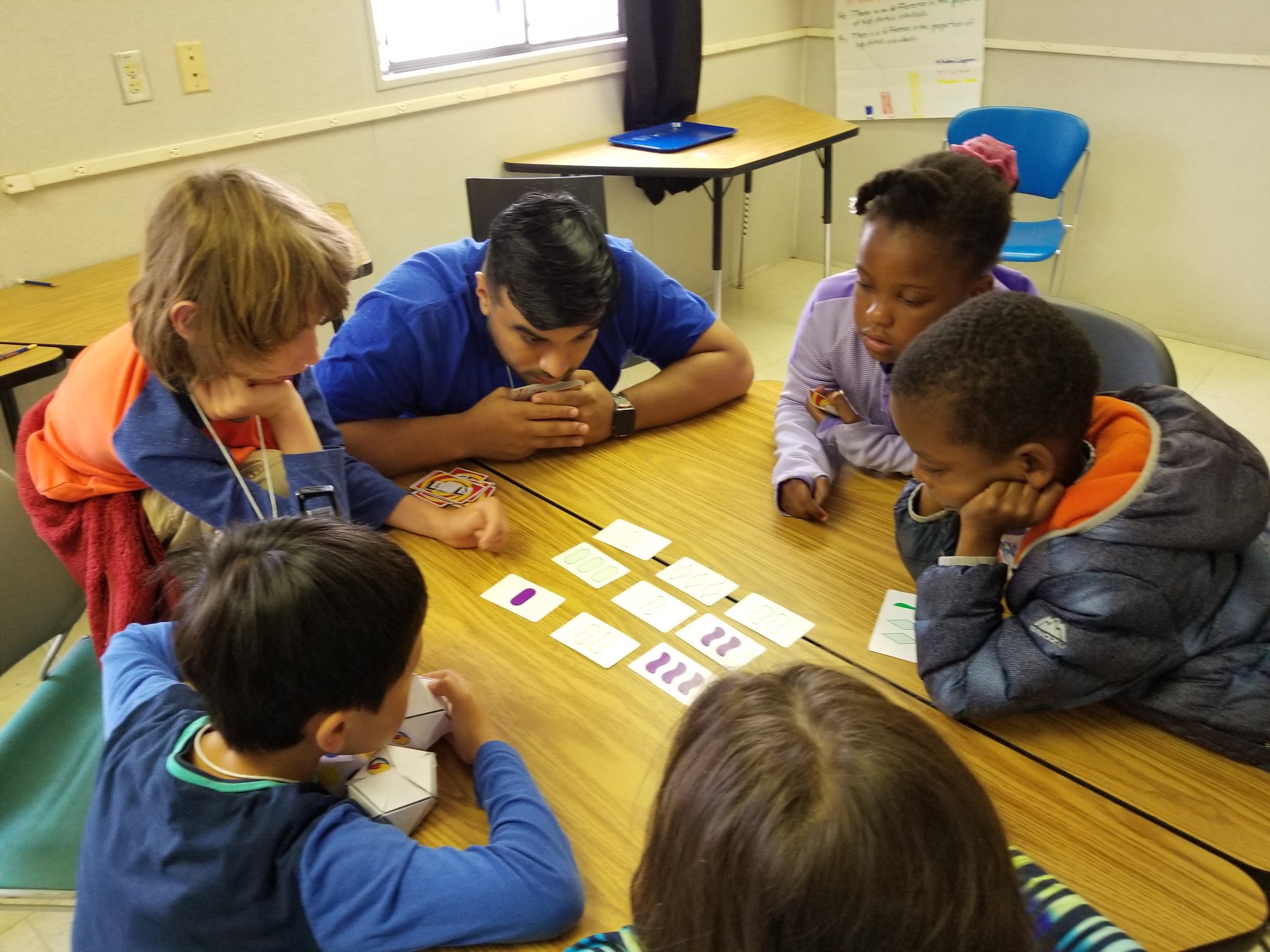
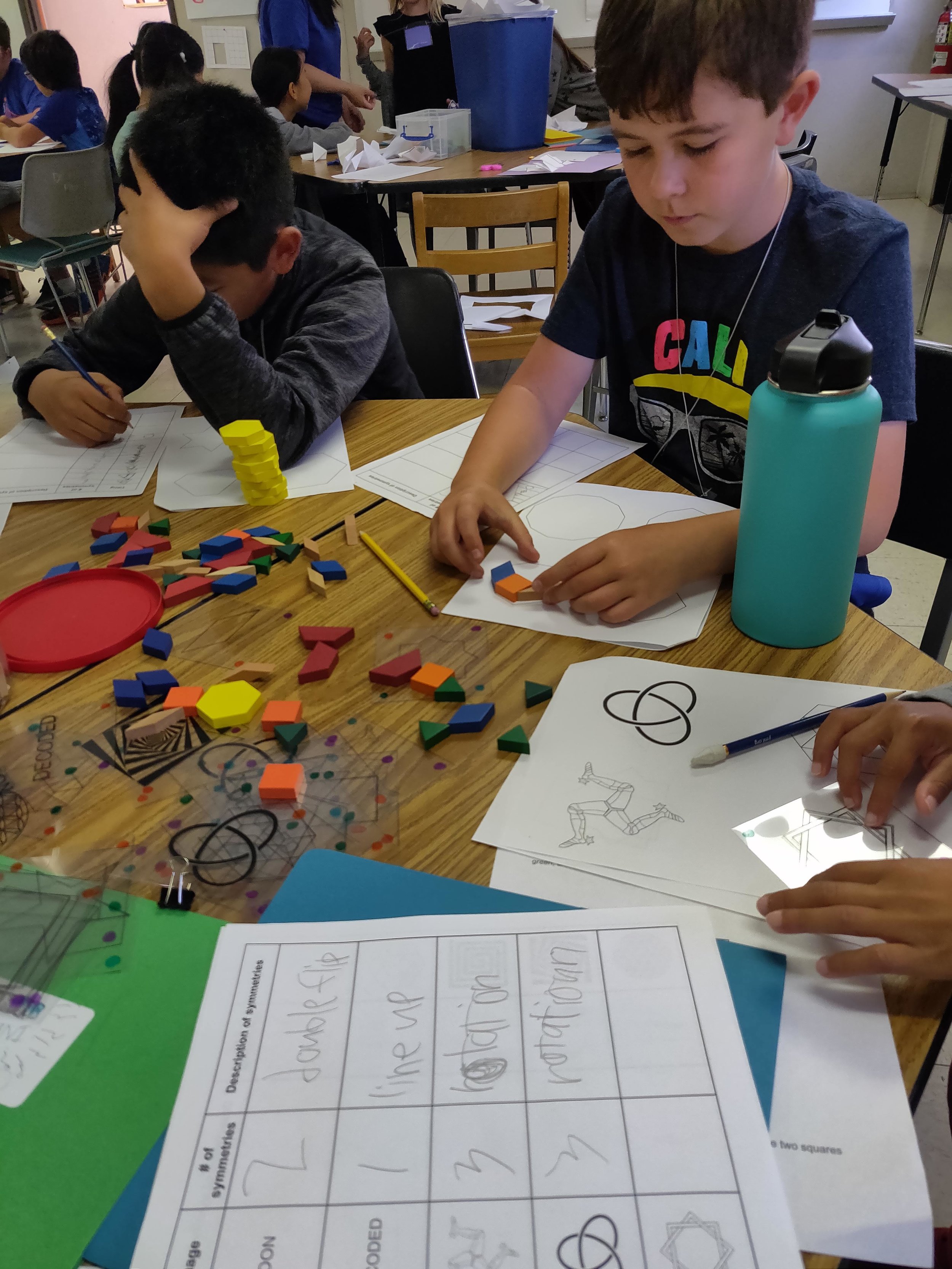
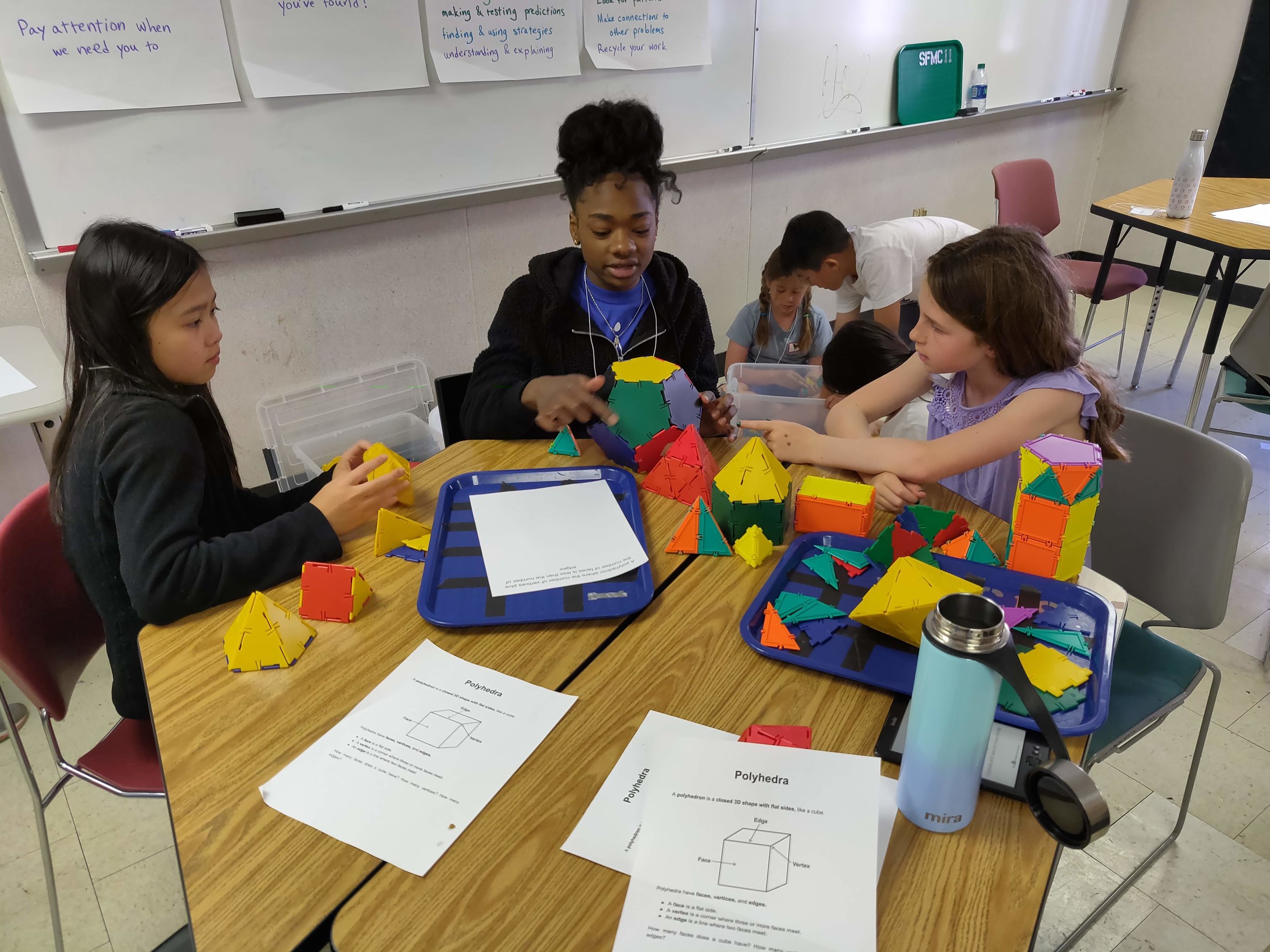
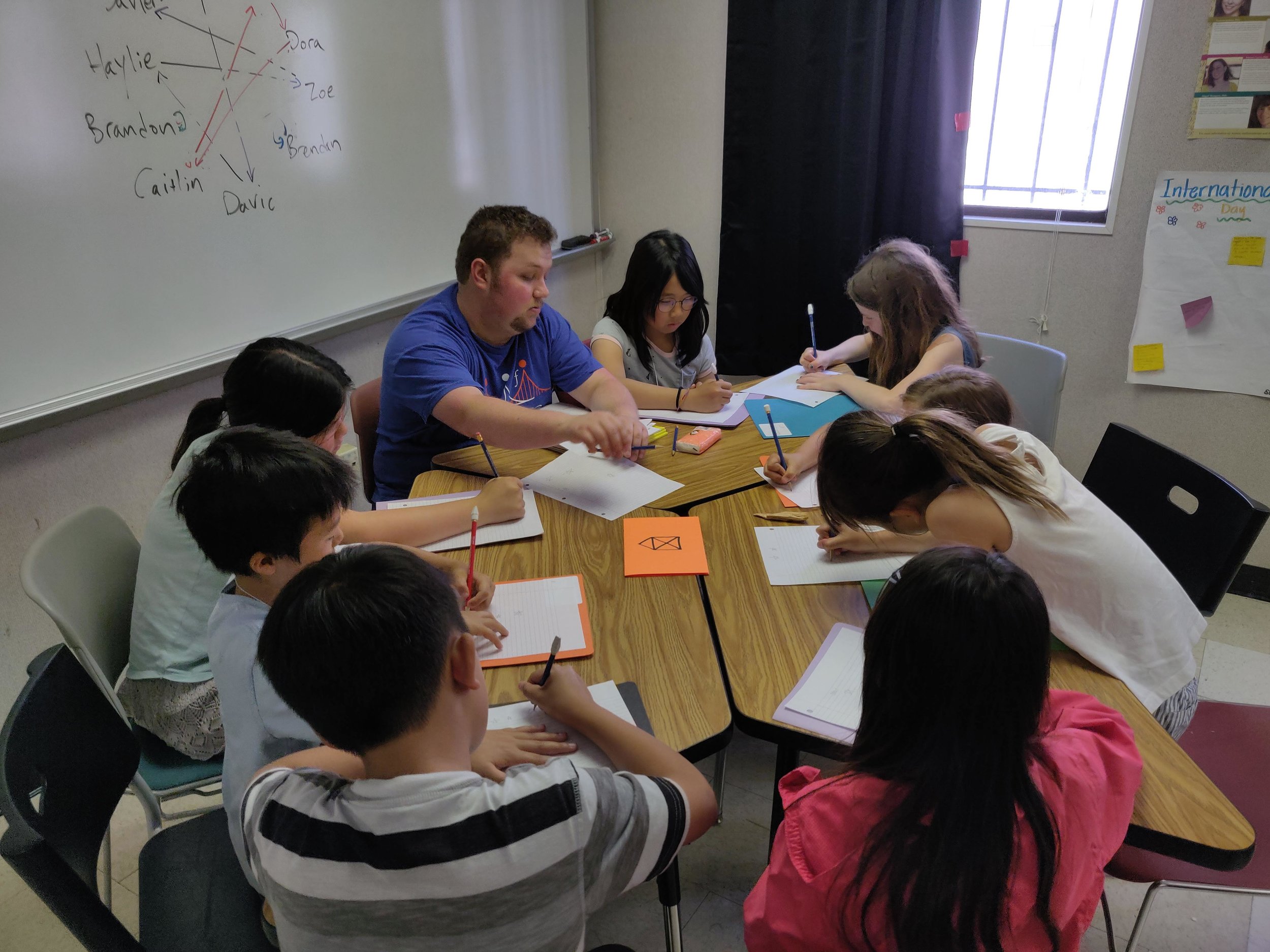
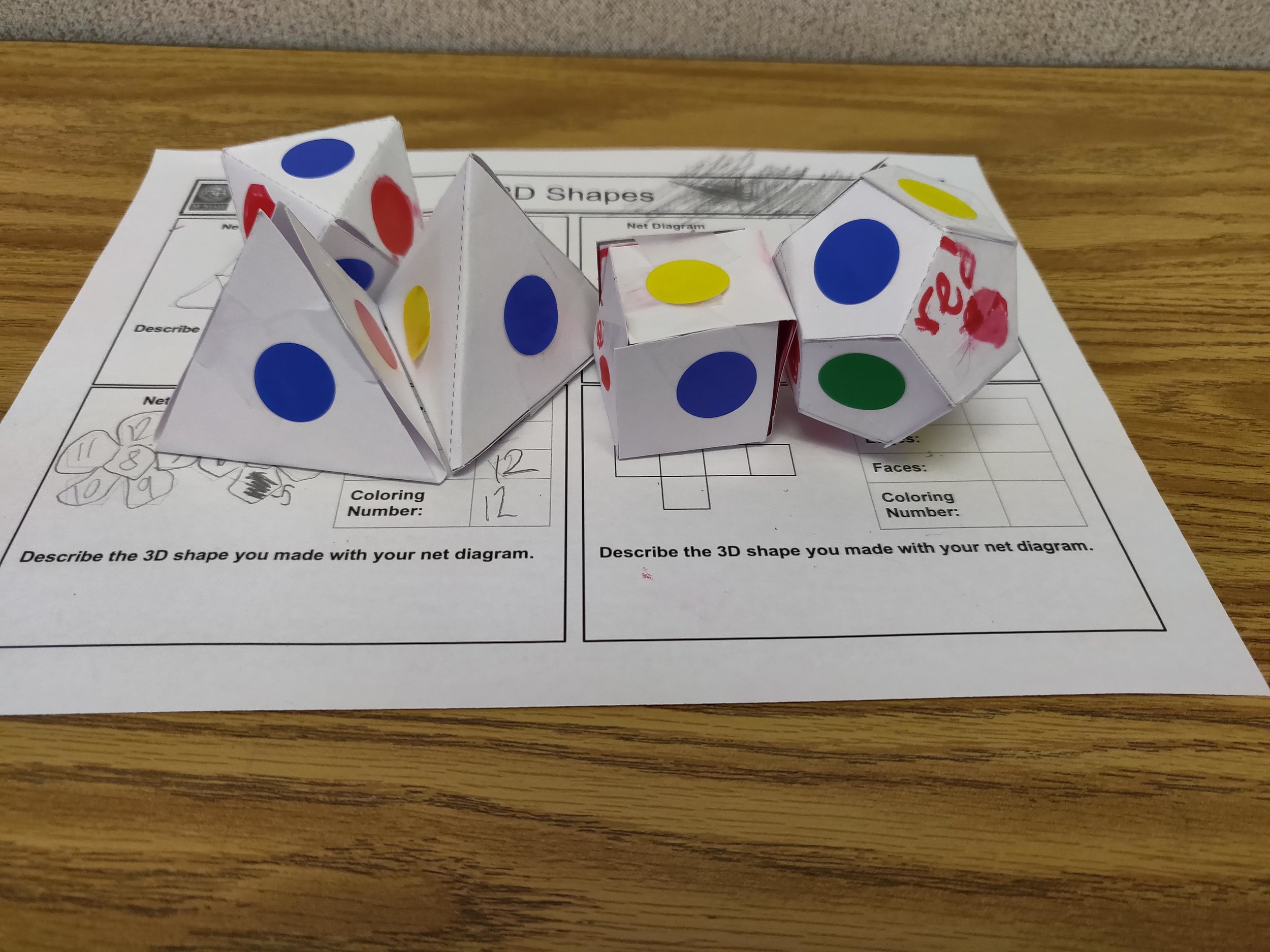
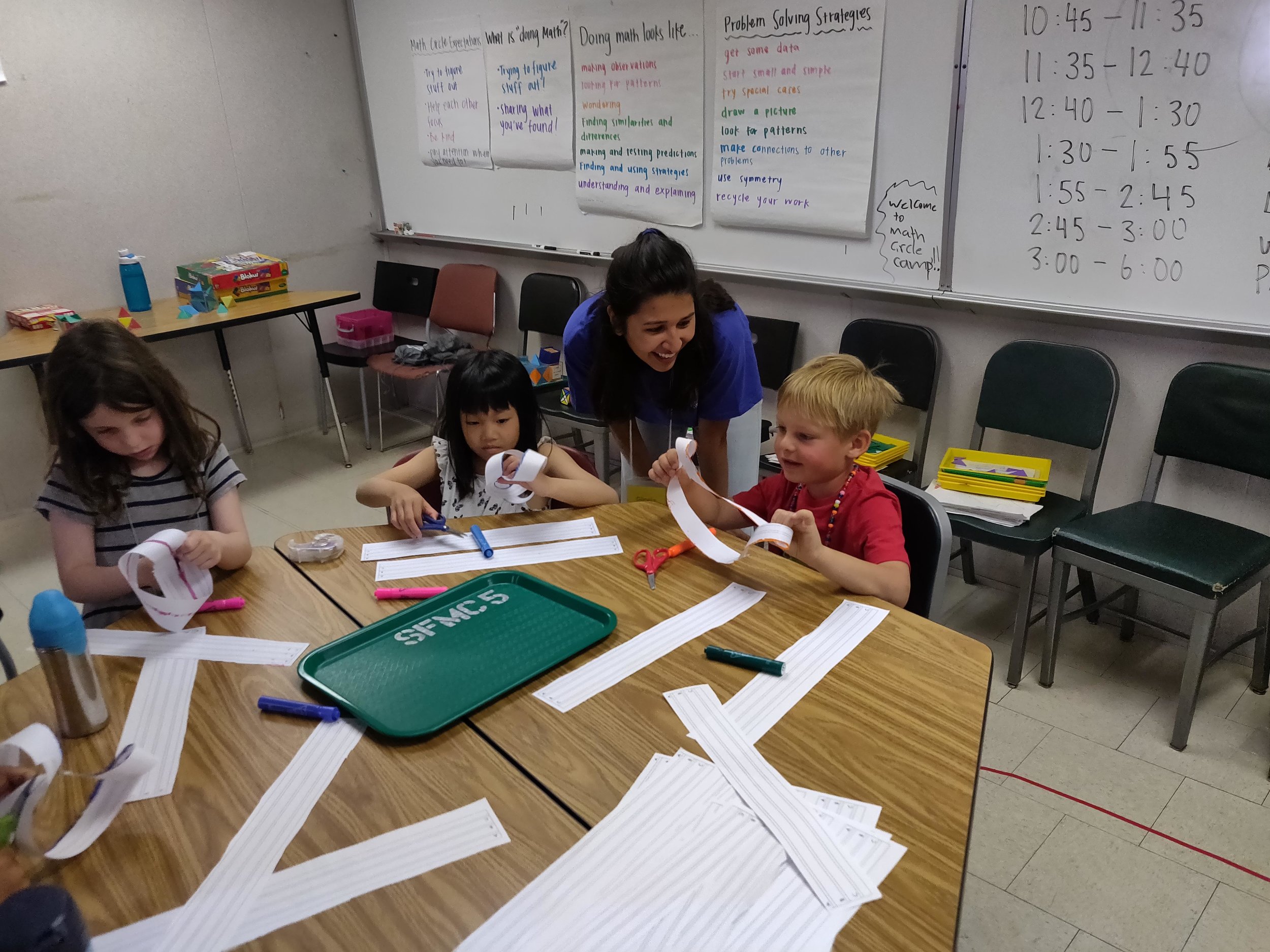
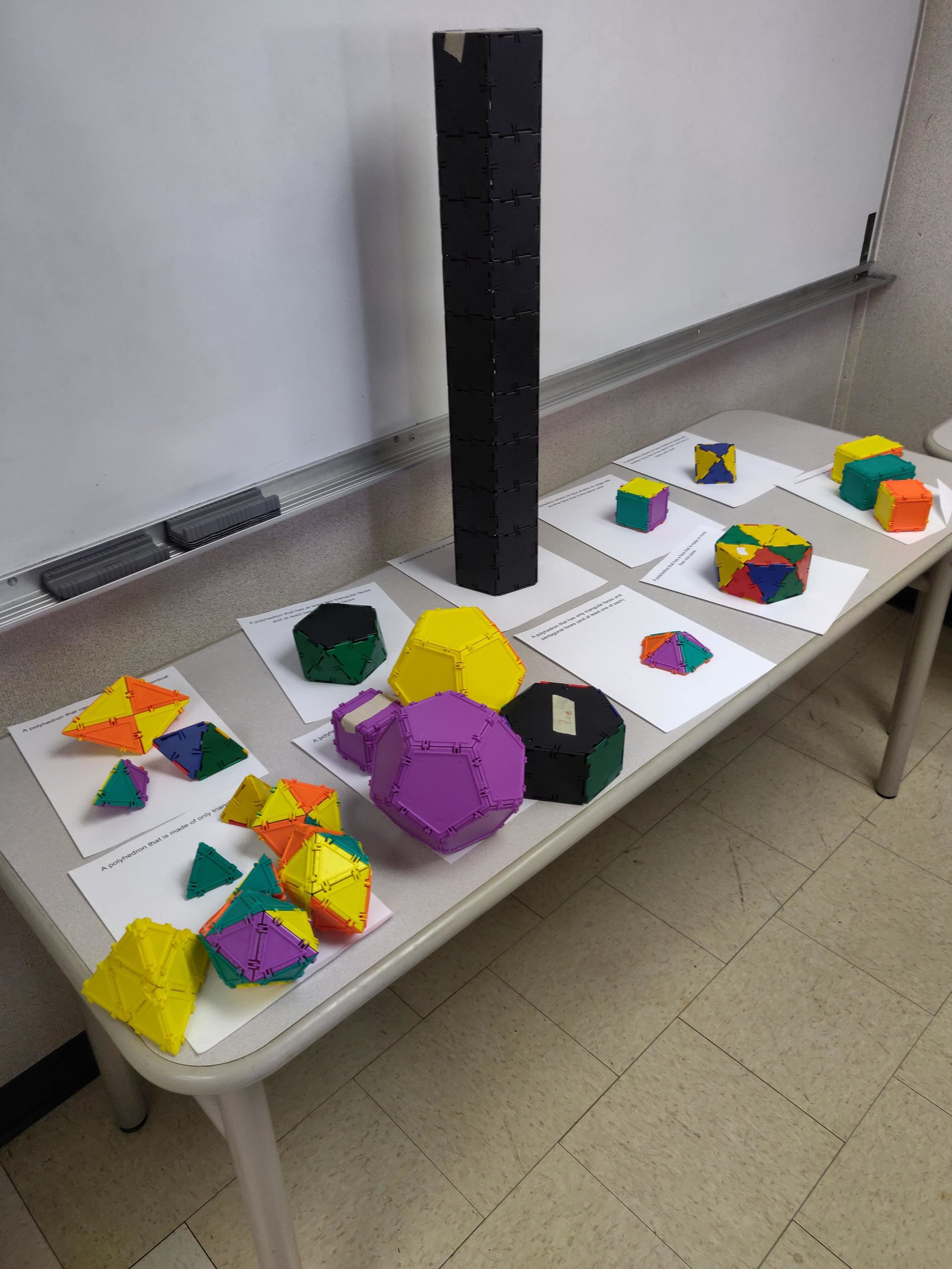
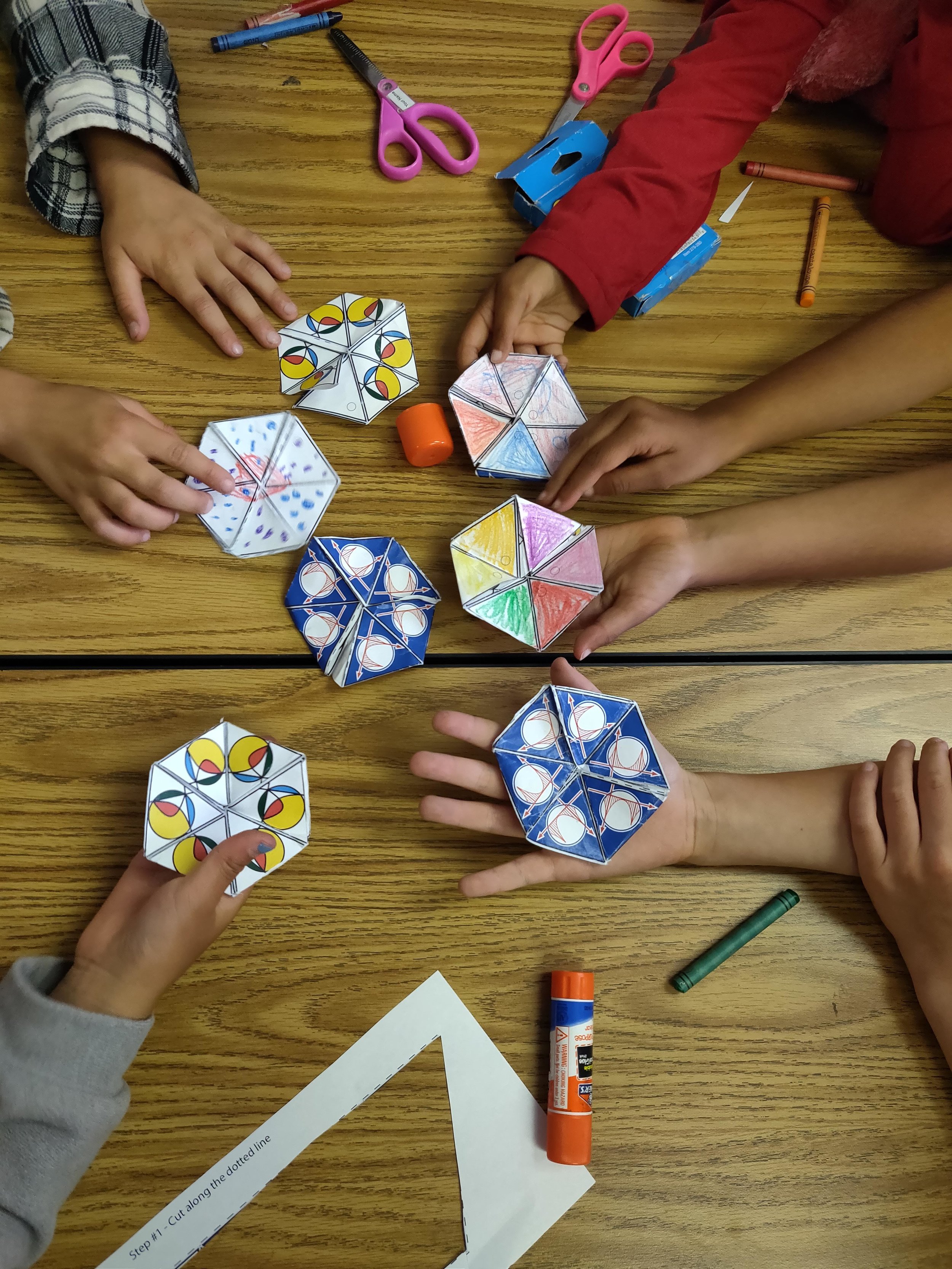
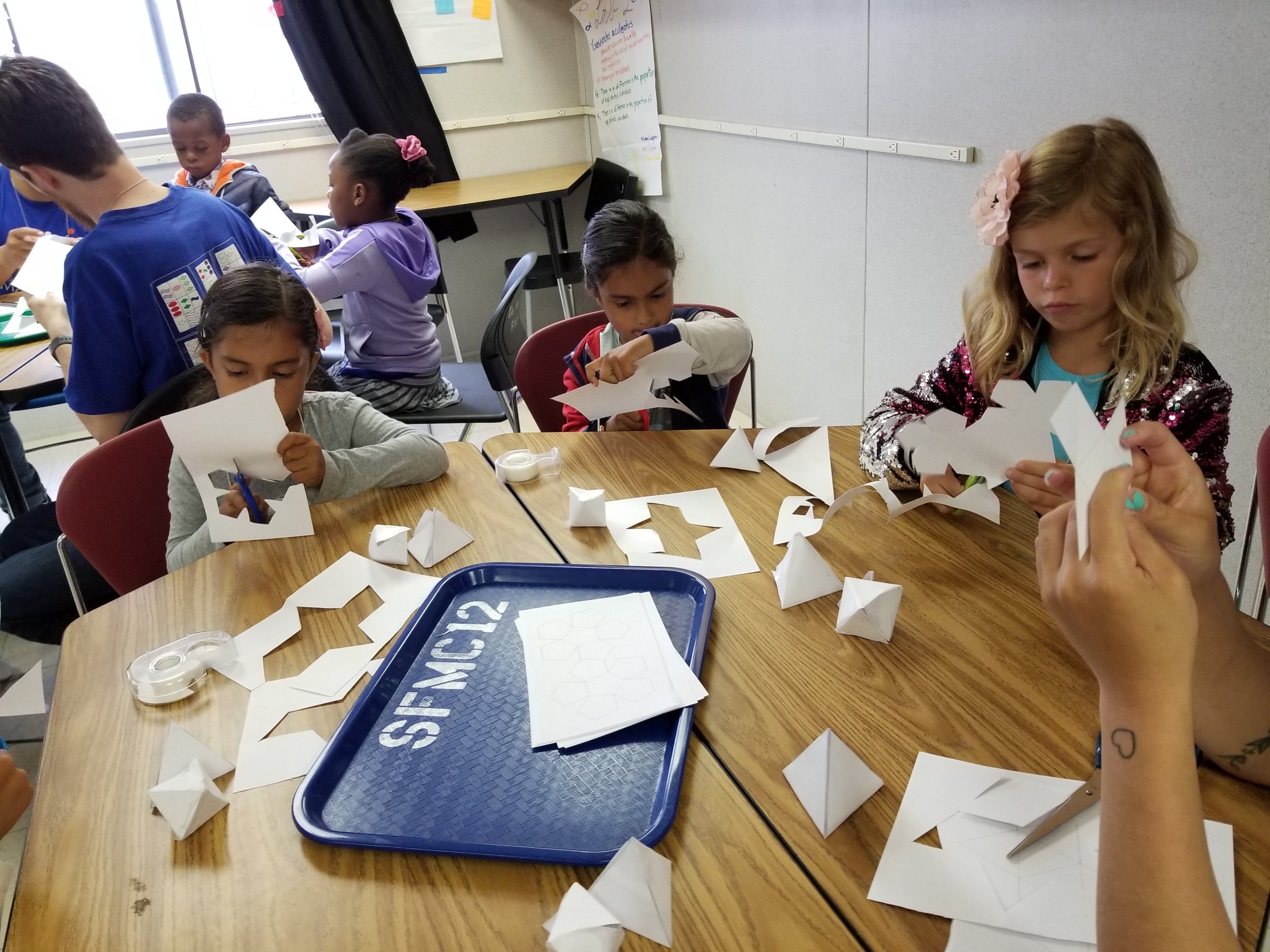
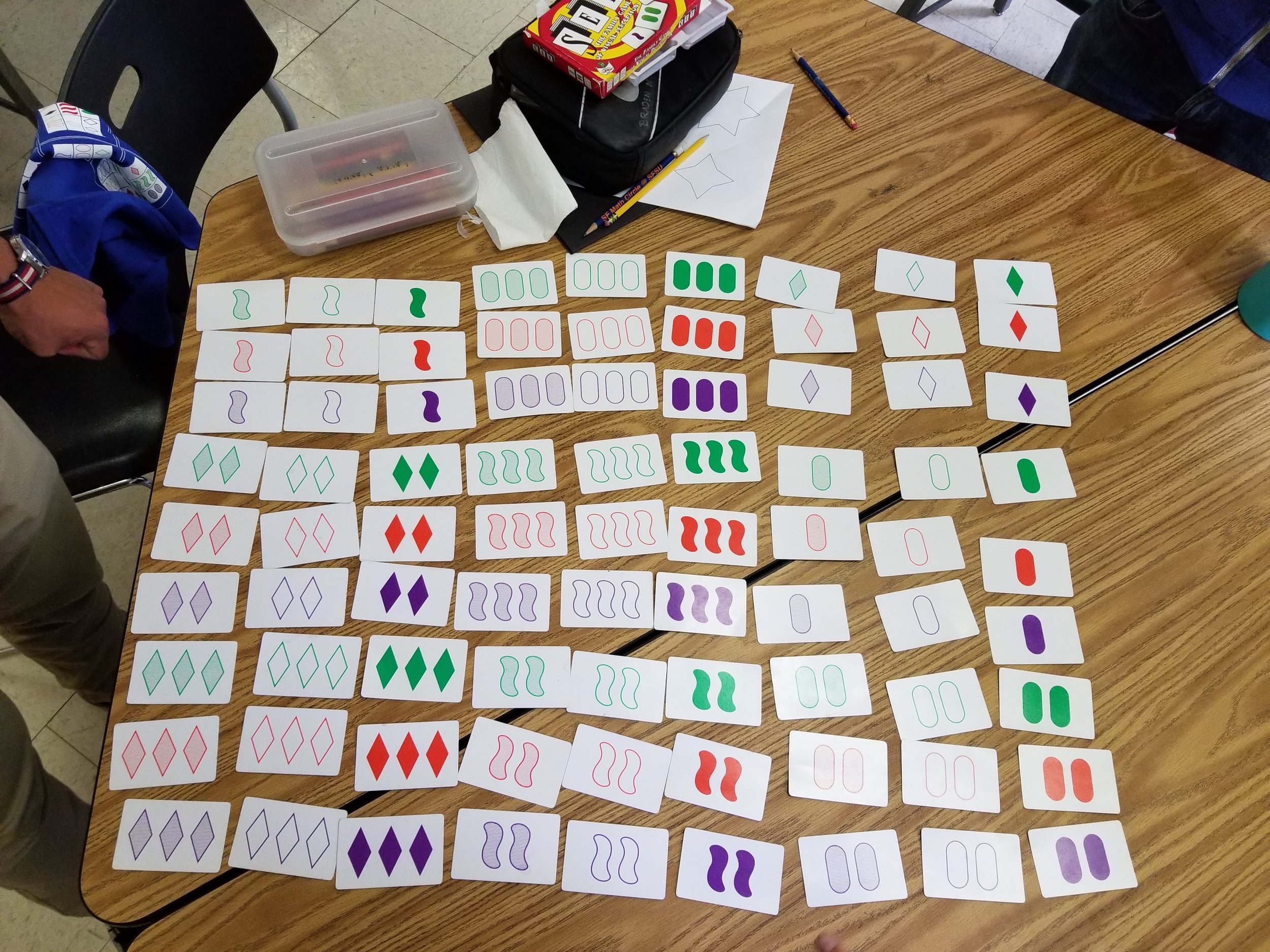
In our after-school classes and camps, we provide a supportive, collaborative, and fun environment where students explore engaging, hands-on puzzles and games that involve both creativity and critical thinking.
Students explore these puzzles and games in small groups where they have the opportunity to collaborate with their peers and to receive personalized attention and support from SF Math Circle facilitators.
Learn more about our approach to math and math education
Check out a sample of our activities
Please note that our focus is primarily on helping students to engage in creative mathematical exploration and problem-solving rather than building their skills in arithmetic or other traditional K-12 math.
Want to receive announcements about upcoming SF Math Circle classes, summer camps, and other events?