
Handshakes
How it works
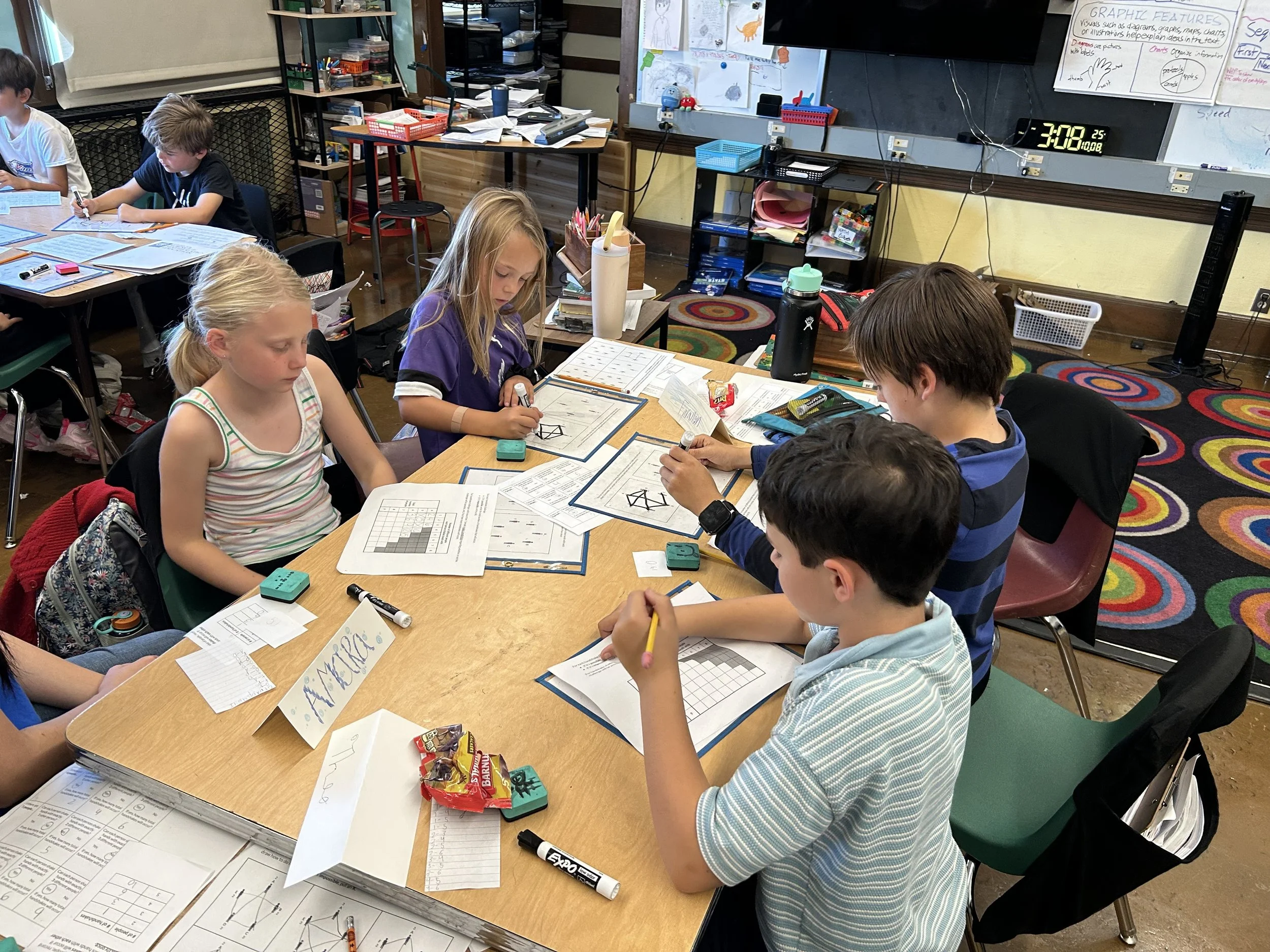
In a group of 10 people, if everyone shakes hands with everyone else, how many total handshakes will occur? Is there a way to figure this out that is more efficient than just counting the handshakes one by one?
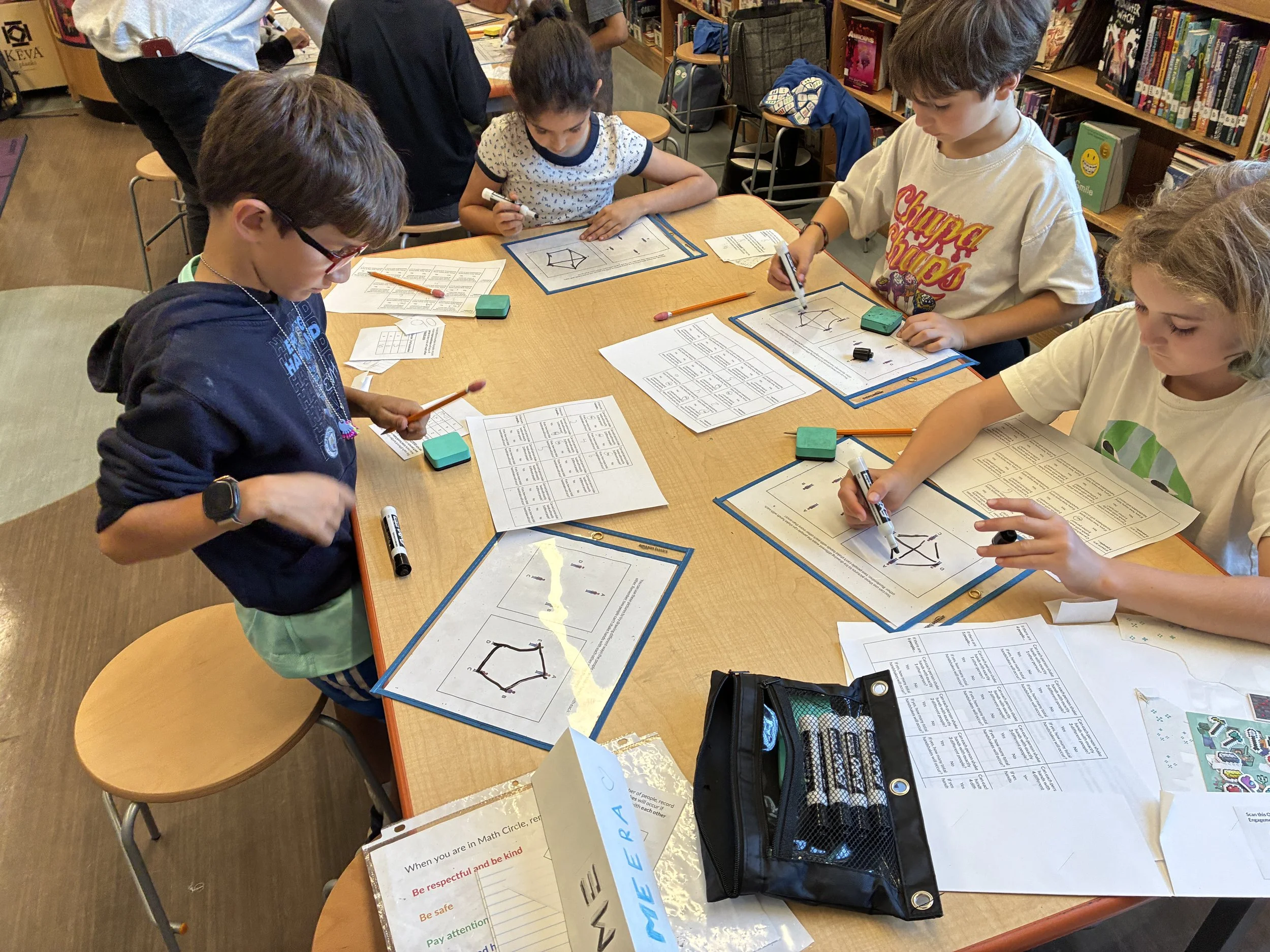
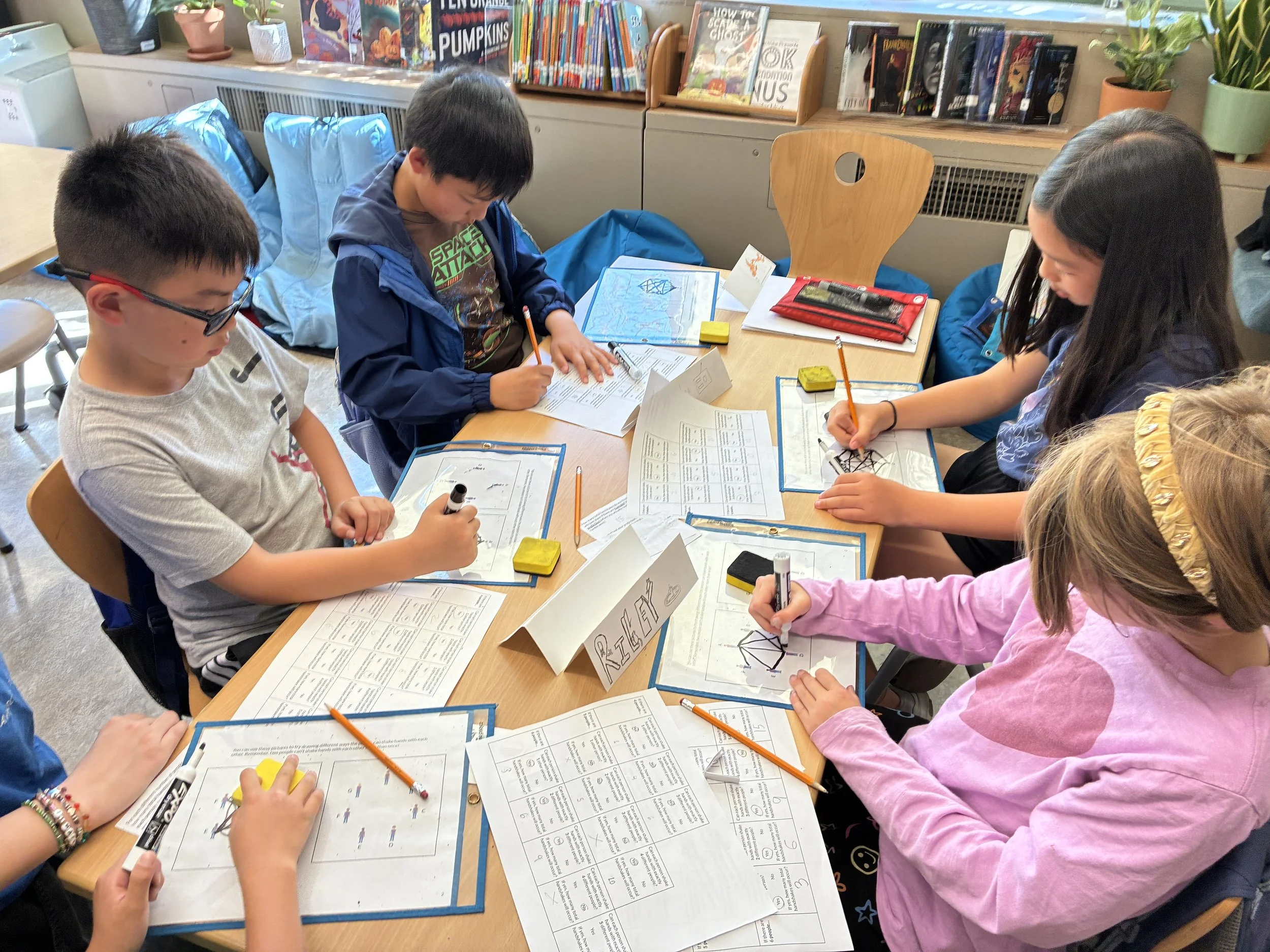
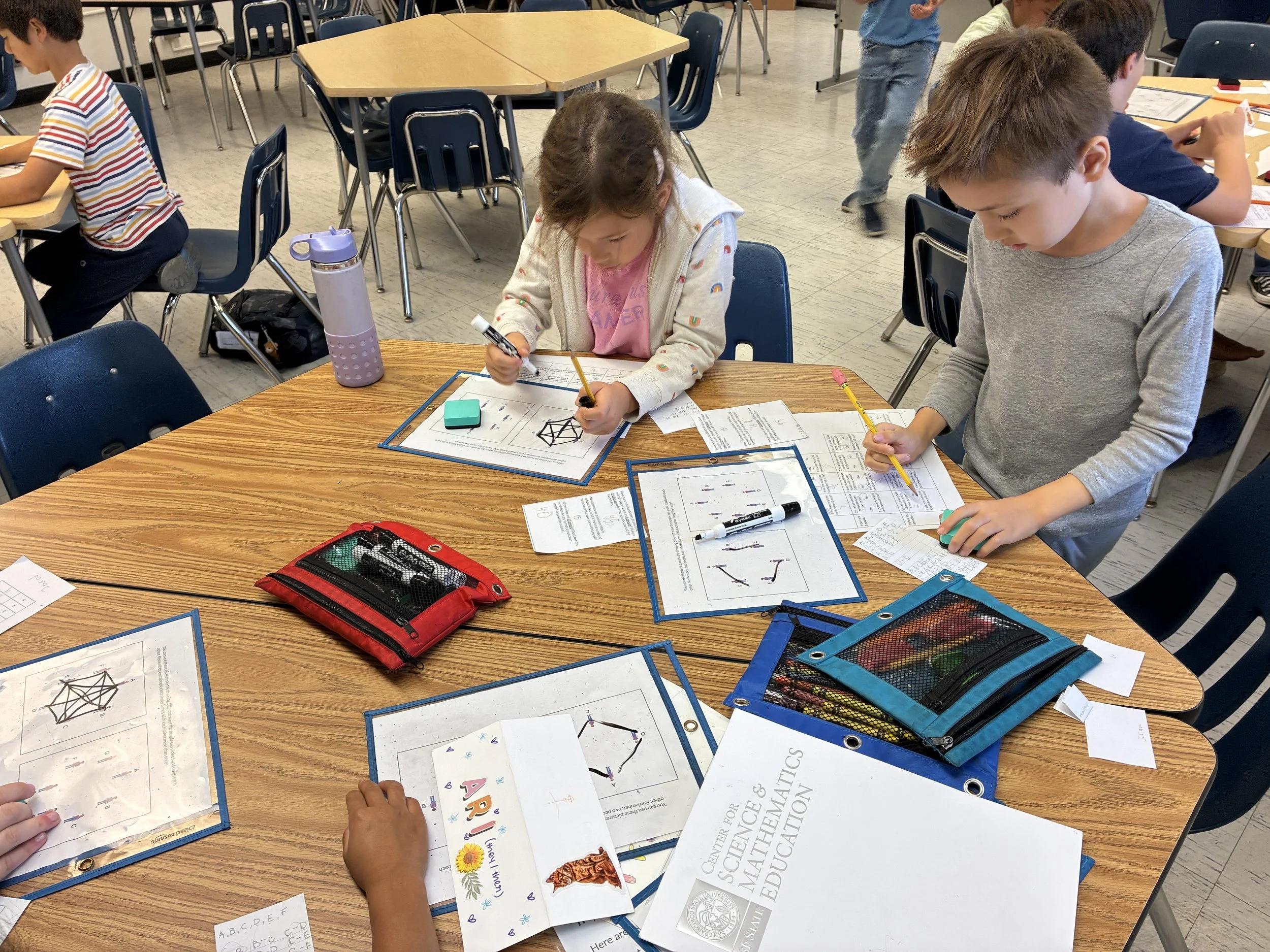
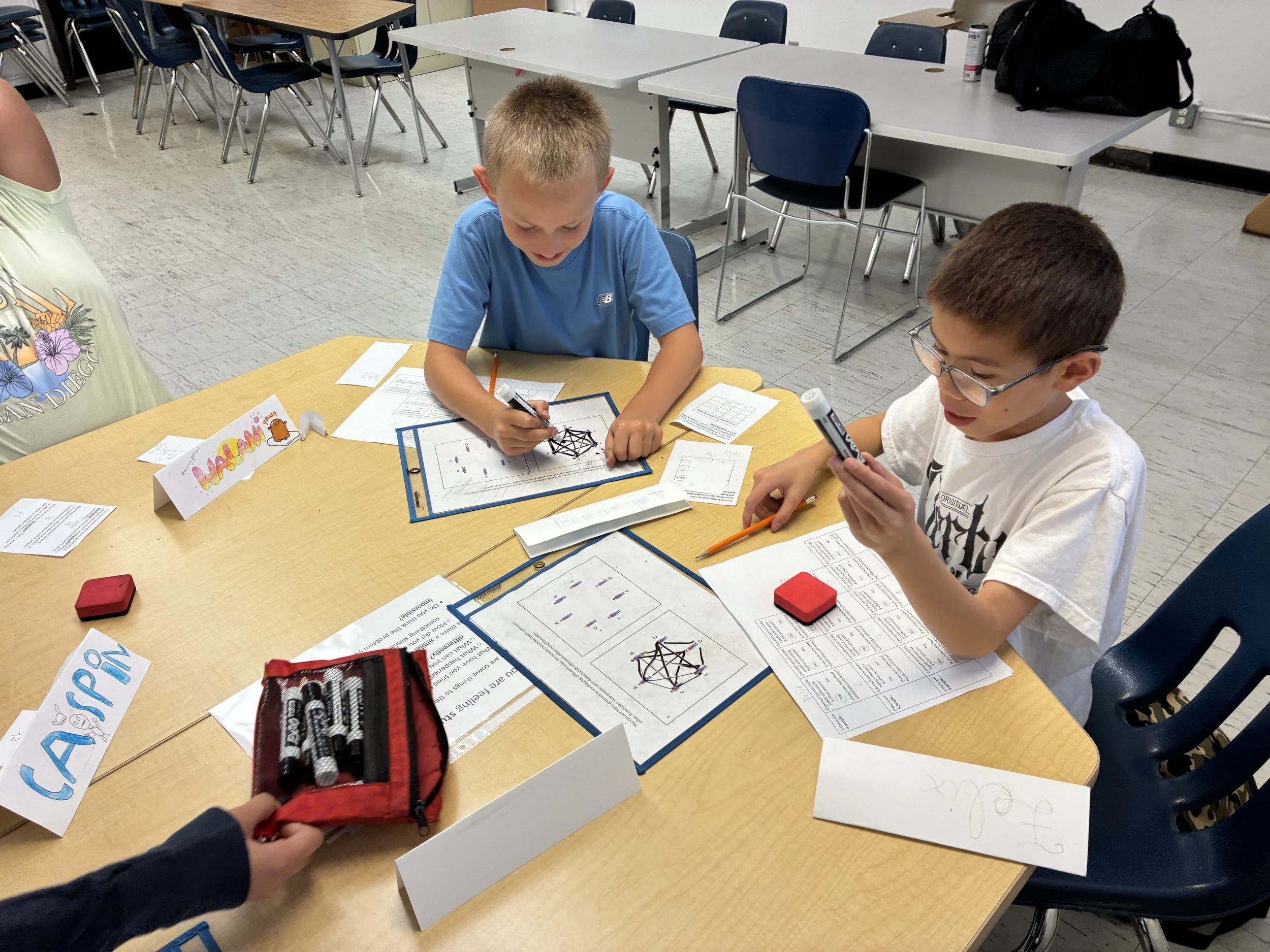
In this activity, students first try to figure out how many handshakes will take place if 10 people all shake hands with each other by looking at cases with fewer than 10 people and trying to find a pattern they can use to make a prediction for when there are 10 people. Next, they explore a variety of "handshake challenges": For each of these challenges, there is a given number of people, and each person is required to shake hands with a certain number of other people (so, for example, 6 people shaking hands so that each person shakes hands with exactly 3 other people). Students attempt to determine which of these challenges are possible and which are impossible, and for the ones that are possible, how many handshakes will occur.
Handshake Counting Data Recording handout
Why we like this activity
It’s fun! Students enjoy trying to make predictions and solve the various challenges.
It helps students develop numerical reasoning.
It requires students to engage in mathematical habits of mind:
- Looking for patterns and making and testing predictions when trying to figure out how many handshakes will occur if 10 people all shake hands with each other
- Using logic, finding and using strategies, looking for patterns, and making and testing predictions when determining which handshakes challenges are possible and which are impossible (and how many handshakes will occur for the possible challenges)
It has a low floor and a high ceiling: Students can get started exploring via counting and trial and error, but as the puzzles get more challenging, but making accurate predictions is more challenging!